

Hibiscus Tea
Introduction
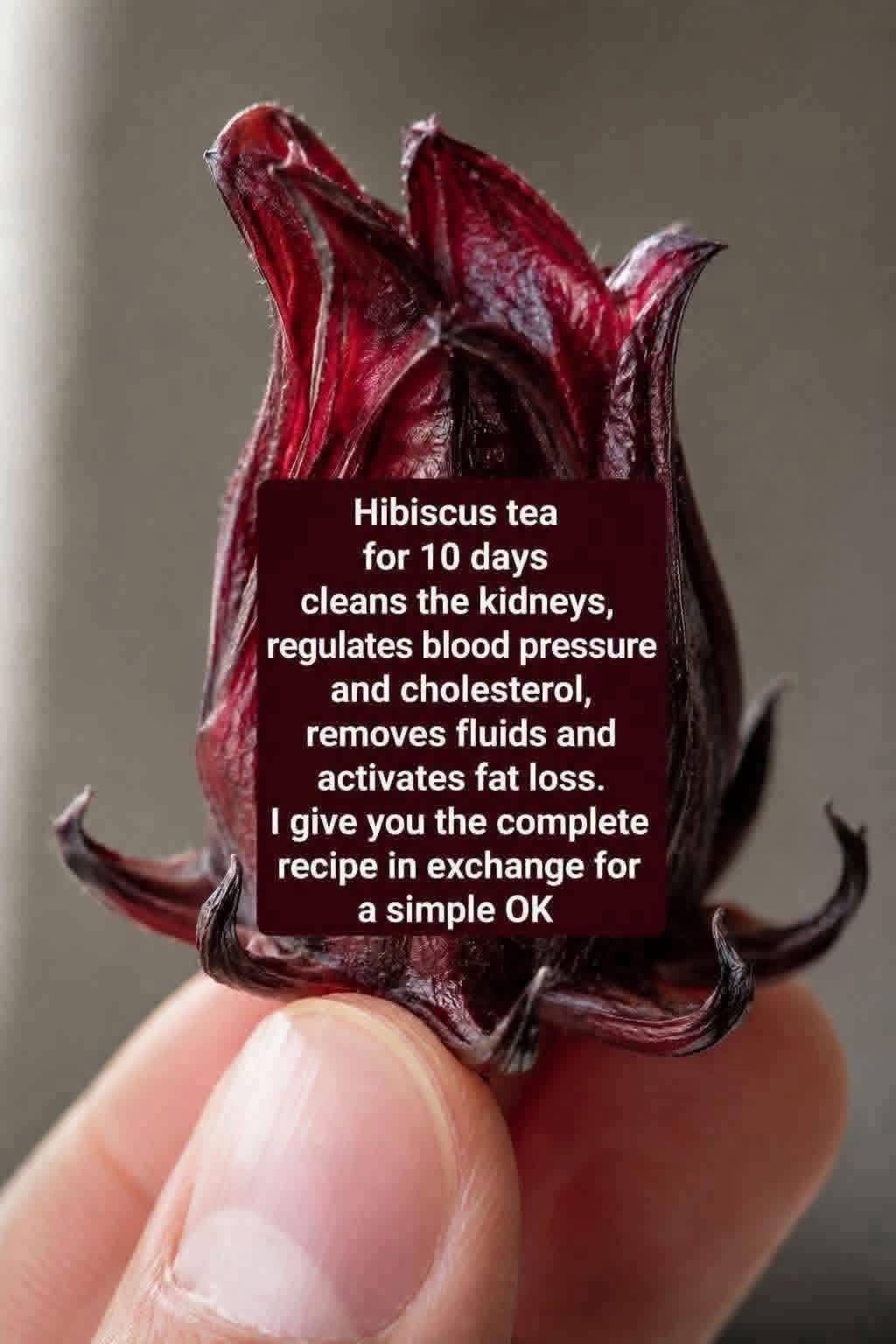
Hibiscus tea is a vibrant ruby-red herbal infusion made from the dried calyces of the hibiscus flower. Known for its pleasantly tart, cranberry-like flavor, it is enjoyed both hot and iced around the world. Besides its refreshing taste, hibiscus tea has gained popularity for its potential health benefits, including antioxidant properties and support for heart health. While the image makes several health claims, it’s important to note that evidence is strongest for modest blood pressure benefits, while claims about “cleansing the kidneys” or “activating fat loss” are not well supported by scientific research.
Origin
Hibiscus tea has ancient roots in Africa and Asia, where the hibiscus plant has been cultivated for centuries. It later spread throughout the Middle East, the Caribbean, Central America, and Latin America. Today, it is one of the world’s most popular herbal beverages.
Cultural Significance
Hibiscus tea holds cultural importance in many regions:
- Egypt & Sudan: Known as Karkade, it is served hot or cold during celebrations and weddings.
- Mexico: Called Agua de Jamaica, it is a refreshing everyday beverage.
- West Africa: Popular as Bissap, often flavored with mint or ginger.
- Caribbean: Frequently enjoyed during holidays with spices and citrus.
Its refreshing taste and beautiful color make it a symbol of hospitality in many cultures.
Ingredients
| Ingredient | Quantity |
| Dried hibiscus flowers | 2 tablespoons (about 10 g) |
| Water | 4 cups (1 liter) |
| Honey or sugar (optional) | 1–2 tablespoons |
| Fresh lemon juice (optional) | 1 tablespoon |
Optional Additions
- Fresh mint leaves
- Cinnamon stick
- Fresh ginger slices
- Orange slices
- Lime juice
- Cloves
- Star anise
- Fresh berries
- Sparkling water for a fizzy version
Tips for Success
- Use high-quality dried hibiscus flowers for the best flavor.
- Avoid boiling the flowers for too long, which may make the tea overly tart.
- Steep for 10–15 minutes for a rich color and balanced taste.
- Chill before serving over ice for a refreshing summer drink.
- Sweeten gradually to suit your preference.
Instructions
- Bring 4 cups of water to a boil.
- Remove from heat.
- Add the dried hibiscus flowers.
- Cover and steep for 10–15 minutes.
- Strain the tea into a pitcher or teapot.
- Stir in honey or sugar if desired.
- Add lemon juice for extra brightness.
- Serve hot or refrigerate and enjoy over ice.
Description
Hibiscus tea offers a brilliant crimson color with a pleasantly tangy, fruity flavor that resembles cranberries. It is naturally caffeine-free, making it an excellent beverage for any time of day. Whether served warm in winter or chilled during summer, it provides a refreshing alternative to sugary drinks.
Nutritional Information
Approximate values per 1 cup (unsweetened):
- Calories: 2–5
- Carbohydrates: 0–1 g
- Fat: 0 g
- Protein: 0 g
- Fiber: 0 g
- Sugar: 0 g
- Sodium: 0 mg
It also contains natural plant compounds (polyphenols and anthocyanins) that contribute antioxidant activity.
Conclusion
Hibiscus tea is a flavorful, naturally caffeine-free herbal drink enjoyed across many cultures. Its refreshing taste and antioxidant content make it a wonderful addition to a balanced diet. Research suggests it may help support healthy blood pressure in some people, but it should not be viewed as a cure or detox drink.
Recommendation
Enjoy 1–2 cups of hibiscus tea daily as part of a healthy lifestyle. If you have low blood pressure, are pregnant, or take blood pressure, diabetes, or diuretic medications, consult your healthcare provider before drinking it regularly, as hibiscus may interact with certain medications or affect blood pressure.
Embracing Healthful Indulgence
Hibiscus tea demonstrates that healthy choices can also be delicious. Its naturally vibrant color, refreshing tartness, and versatility make it an enjoyable beverage for everyday wellness. Pair it with a balanced diet, regular exercise, and adequate hydration to support overall health, while appreciating it as a nourishing drink rather than a miracle remedy.