
Introduction
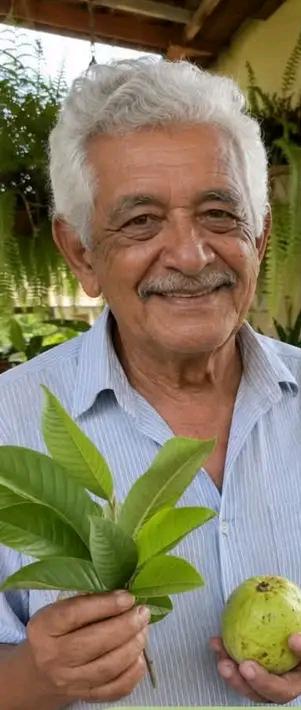
Guava leaf tea is a traditional herbal beverage made by steeping fresh or dried guava leaves in hot water. It has long been used in traditional medicine in various tropical regions. While guava leaves contain beneficial plant compounds such as antioxidants and polyphenols, there is no reliable scientific evidence that they can cure vision problems or replace prescribed eye medications.
Origin
Guava (Psidium guajava) is native to Central America and has spread throughout tropical and subtropical regions worldwide. The leaves have been traditionally used in herbal practices in Asia, Africa, and Latin America.
Cultural Significance
In many cultures, guava leaves are valued as a traditional remedy and are commonly brewed into herbal tea. They have been used for generations as part of traditional wellness practices and are appreciated for their natural antioxidant content.
Ingredients
- 8–10 fresh guava leaves (or 1 tablespoon dried guava leaves)
- 2 cups (500 ml) water
Optional Additions
- 1 teaspoon honey
- 1 teaspoon lemon juice
- Fresh ginger slices
- Mint leaves
- Cinnamon stick
Tips for Success
- Wash fresh leaves thoroughly before use.
- Use young, healthy leaves for the best flavor.
- Simmer gently rather than boiling vigorously.
- Strain before drinking.
- If you have a medical condition or take medications, consult your healthcare provider before using herbal teas regularly.
Instructions
- Rinse the guava leaves thoroughly.
- Bring 2 cups of water to a boil.
- Add the guava leaves.
- Reduce the heat and simmer for 10–15 minutes.
- Remove from the heat and strain.
- Add honey or lemon if desired.
- Serve warm.
Description
Guava leaf tea has a mild earthy flavor with subtle herbal notes. It is naturally caffeine-free and can be enjoyed as a warm beverage at any time of day.
Nutritional Information (Per Cup, Approximate)
- Calories: 2–5 kcal
- Protein: 0 g
- Fat: 0 g
- Carbohydrates: 0–1 g
- Fiber: 0 g
- Sugar: 0 g (without honey)
- Sodium: 0 mg
Conclusion
Guava leaf tea is a traditional herbal drink that may be enjoyed as part of a balanced lifestyle. However, it should not be considered a treatment for eye diseases or vision loss, and it is not a substitute for professional medical care.
Recommendation
Enjoy guava leaf tea in moderation as a refreshing herbal beverage. If you experience blurred vision, eye pain, redness, or any change in eyesight, seek evaluation from an eye care professional rather than relying on herbal remedies alone.
Embracing Healthful Indulgence
Maintaining healthy vision involves eating a balanced diet rich in fruits and vegetables, controlling blood pressure and blood sugar, protecting your eyes from UV light, avoiding smoking, and having regular eye examinations. Herbal teas like guava leaf tea can be part of a healthy routine, but they should complement—not replace—evidence-based medical care.